

“As a young man I thought my journey would be upward and outwards, toward what I wanted and what I thought would bring me happiness, but my real journey was inwards, towards what I needed and what brings me meaning and joy.”
LHJ
The Machine Doesn’t Care If You Die Tired.
Most men are exhausted because they’ve confused being valuable with being useful
That confusion ruins lives.
Useful men get rewarded early.
Teachers like them.
Bosses trust them.
Partners rely on them.
Families lean on them.
So the boy learns something dangerous:
My worth lives in what I produce for other people.
And from that moment on, rest starts feeling suspicious.
The Life You Want Will Cost You The Life You Have.
The fantasy of “keeping everything”
Men often secretly believe transformation can happen without sacrifice.
That they can become fully alive while keeping every comfort, every role, every approval structure intact.
Impossible.
Every meaningful evolution requires loss.
Nietzsche understood this deeply.
The snake that cannot shed its skin dies.
Simple.
But men delay shedding because the old skin still feels like self.
Even when it’s suffocating them.
The Edge Is Where You Meet the Man You Keep Talking About.
Comfort weakens imagination
This is subtle but important.
Men living over-comfortable lives often stop imagining boldly.
Their world shrinks to manageable dimensions.
No risk.
No awe.
No meaningful uncertainty.
Just maintenance.
And maintenance slowly kills vitality.
The edge restores aliveness because it reintroduces possibility.
Some Men Work Hard Because They’re Ambitious. Others Work Hard So They Never Have To Meet Themselves.
A lot of modern male ambition is actually avoidance in expensive clothing.
That’s the uncomfortable truth.
Not all hard work is noble.
Not all discipline is healthy.
Not all ambition is clean.
Sometimes a man is building an empire because he’s deeply driven.
Sometimes he’s building it because silence terrifies him.
Those are very different psychological realities.
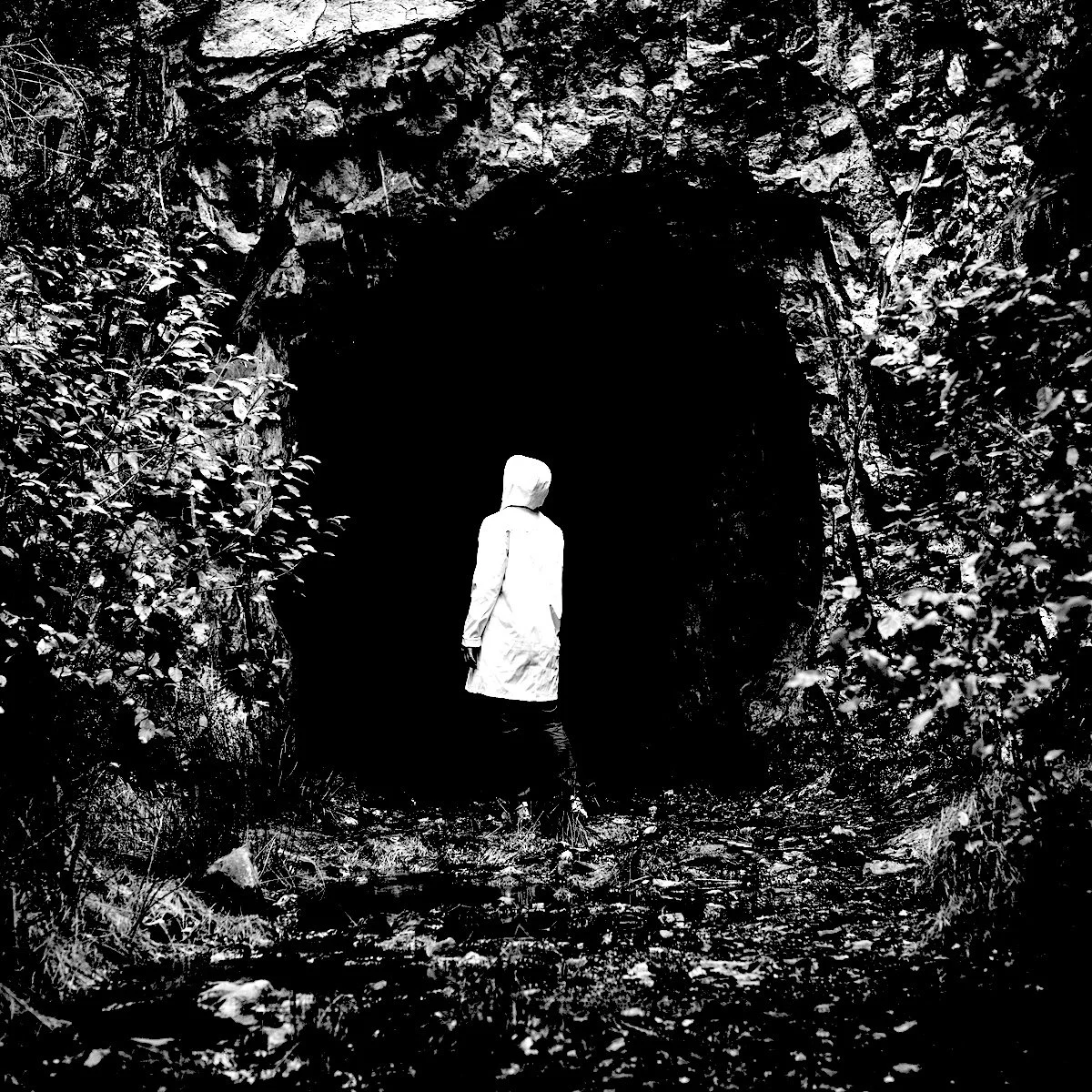
Your Job Is Not Supposed To Be Your Dragon.
Real challenge simplifies men
This is why physically or psychologically demanding experiences often feel cleansing.
The mountain does not care about your image.
Cold water does not care about your LinkedIn profile.
A difficult truth does not care about your branding.
Challenge cuts through performance.
And men are starving for experiences that make performance impossible.
Maybe You’re Not Lazy. Maybe You’re Just Unhappy.
Men can survive on duty for frighteningly long periods of time
Especially competent men.
Especially fathers.
Providers.
High-functioning men.
Men are incredibly capable of suppressing themselves in order to keep things moving.
That’s part of masculine strength.
But strength becomes pathology when it never turns off.
A man can spend years overriding exhaustion, sadness, loneliness, boredom, resentment.
And because the world rewards his functionality, nobody notices he’s slowly disappearing inside himself.
Not even him.
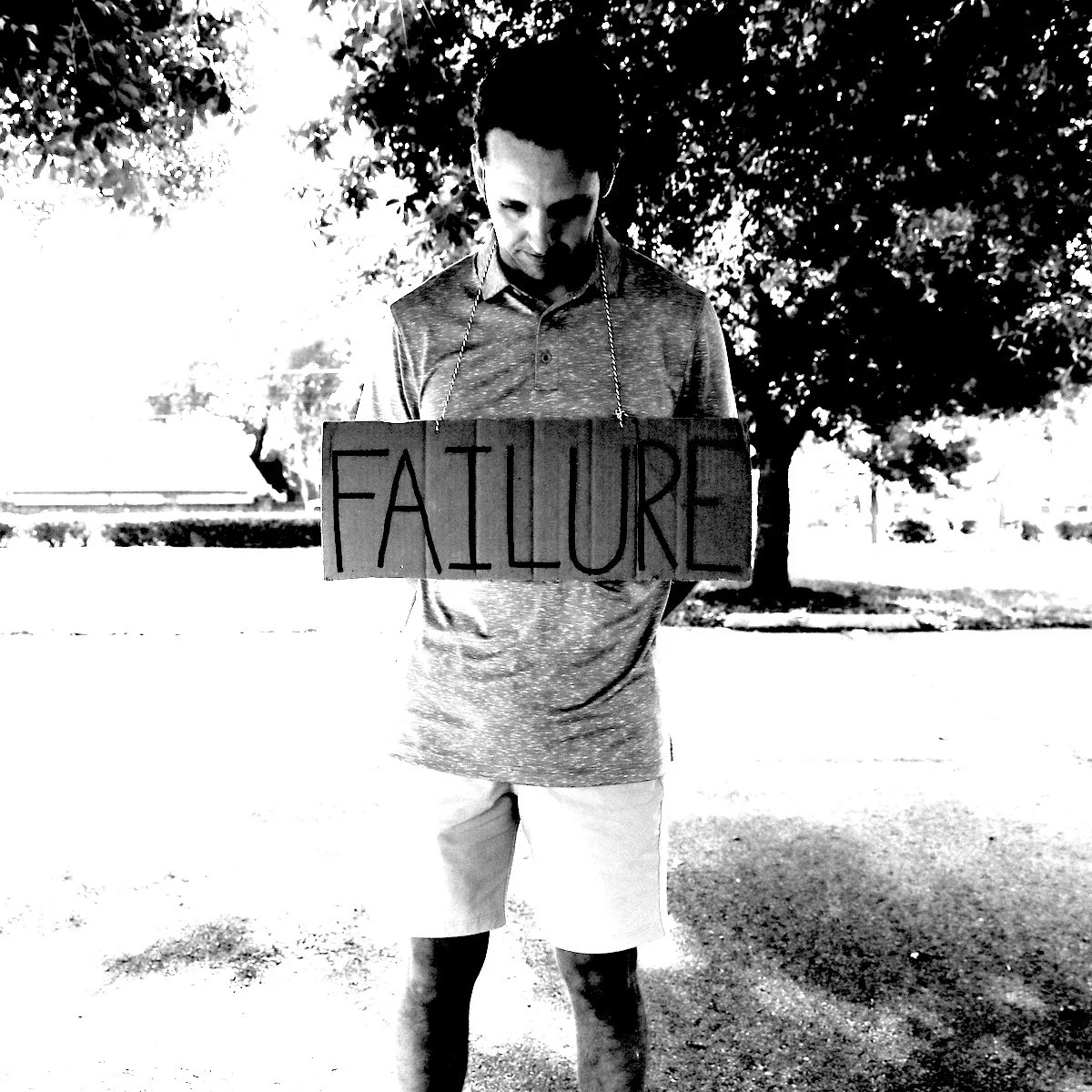
The Version Of You That Survived Is Ruining Your Life.
Men confuse familiar with safe
Van der Kolk understood this deeply.
Human beings recreate familiar emotional environments even when they hurt.
Not because they enjoy suffering.
Because the nervous system prefers predictability over freedom.
So men recreate:
Relationships that mirror old wounds
Workplaces that reinforce old identities
Friendships built around emotional avoidance
Cycles of overwork and self-neglect
Lives that feel emotionally familiar instead of spiritually aligned
And they call this adulthood.
It isn’t adulthood.
It’s repetition.
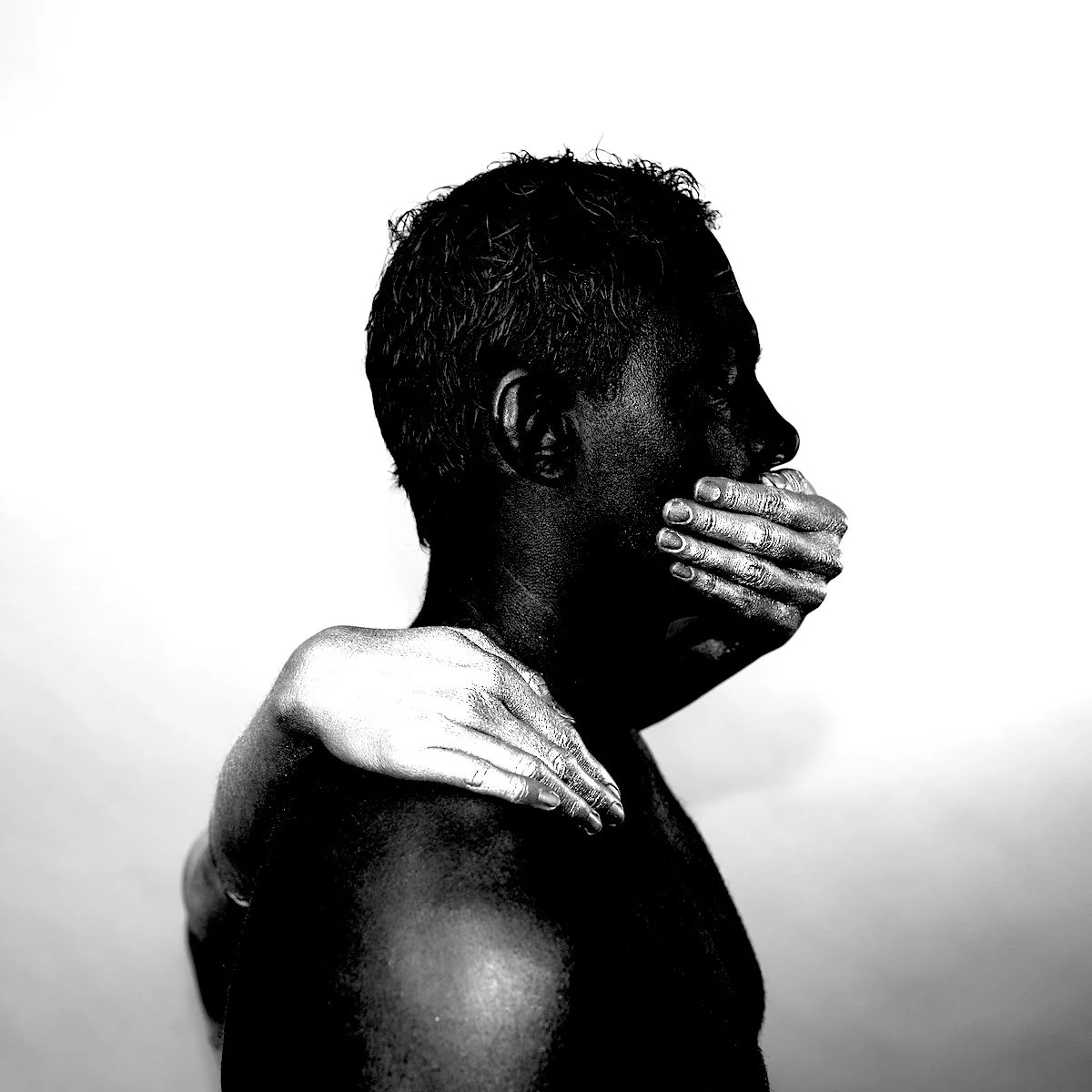
Some Men Don’t Need Healing. They Need Consequences.
Men become dangerous when they escape consequence
This matters more than people realise.
A man without consequences becomes distorted.
He loses contact with reality.
He starts believing words matter more than actions.
He becomes performative.
Inflated.
Weak in ways that hide behind confidence.
Consequences sharpen men.
Not suffering for the sake of suffering.
Reality.
Limits.
Feedback.
The undeniable collision between behaviour and outcome.
Without consequence, there is no maturity.
Just extended adolescence with better language.
Your Life Is Not Going To Start Later.
Time is not neutral
This is the piece men avoid.
You are not standing still while you delay your life.
You are becoming someone through the delay.
Every year spent avoiding honesty shapes character.
Every postponed decision trains passivity.
Every compromised truth weakens self-trust.
Every year lived half-awake makes waking up harder.
You do not freeze in place while waiting.
You drift.
Maybe The Point Of Your Life Is Not To Become Impressive.
Modern masculinity is deeply performative
Even vulnerability became performance now.
Everything gets turned outward.
The workout.
The grief.
The relationship.
The meditation practice.
The morning routine.
The discipline.
The “authenticity.”
A man can spend years constructing an image of depth while becoming increasingly disconnected from actual depth.
Because actual depth is quiet.
It does not always photograph well.
Answering Emails Is Not An Initiation.
A strange thing has happened to modern men.
We have confused exhaustion with growth.
A man works eighty hours a week, destroys his nervous system, lives under fluorescent lights, survives on caffeine and stress, answers emails at midnight, feels permanently behind, and somehow concludes:
“This must mean I’m becoming stronger.”
Maybe not.
Maybe you’re just becoming tired.
That distinction matters more than most men realise.
Because grind culture has taken one of the deepest masculine instincts - the need for challenge - and redirected it into endless economic usefulness.
The result is men who are highly productive but psychologically underdeveloped.
Busy.
Capable.
Efficient.
But internally untouched.
A Man Can Be Exhausted Without Ever Once Being Tested.
Modern men are tired in a strangely hollow way
Not the satisfying exhaustion that follows effort connected to meaning.
Not the deep physical tiredness after building something real, surviving something difficult, protecting someone you love, pushing yourself honestly against your limits.
Something thinner than that.
More artificial.
Psychic fatigue without transformation.
A man spends the entire week overwhelmed -
hen reaches Friday night feeling strangely untouched by his own life.
That should concern us more than it does.
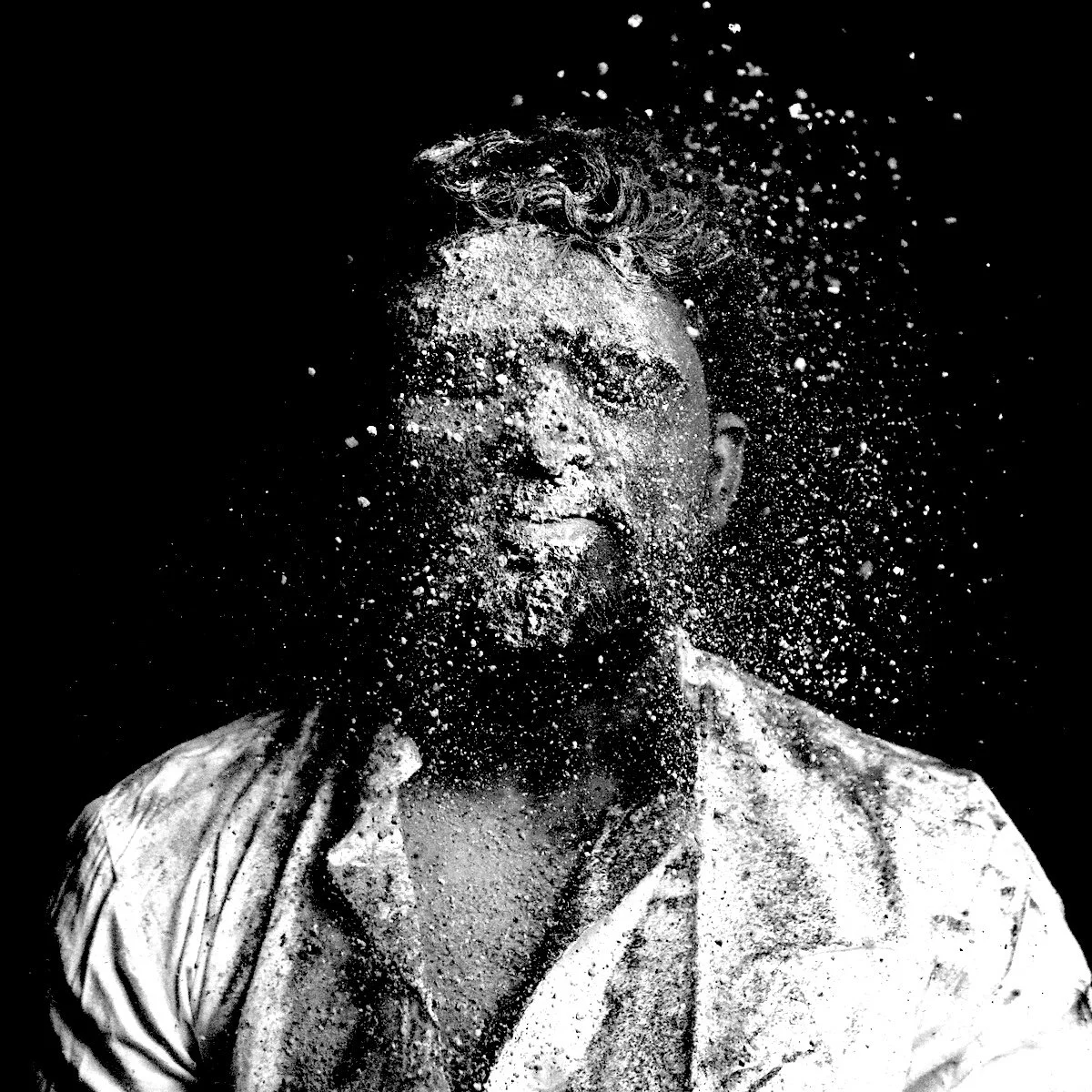
The Hunger That Cannot Be Fed.
“The Hunger That Cannot Be Fed”
This is the line that drove generations of psychoanalysts mad.
To most people it sounds absurd.
To men, if they’re honest, it sounds uncomfortably familiar.
Lacan wasn’t saying men and women can’t connect.
He was saying there’s an impossibility baked into human desire.
Two people can touch, love, share a life, build a home, raise children, sleep in the same bed for decades, and still experience a gap that can’t be closed.
A gap no achievement can fill.
A gap no woman can bridge.
A gap no purpose can patch.
A gap no ritual can seal.
A gap at the centre of a man’s life that refuses to go away.
Most men spend their entire adult lives trying to deny that gap.
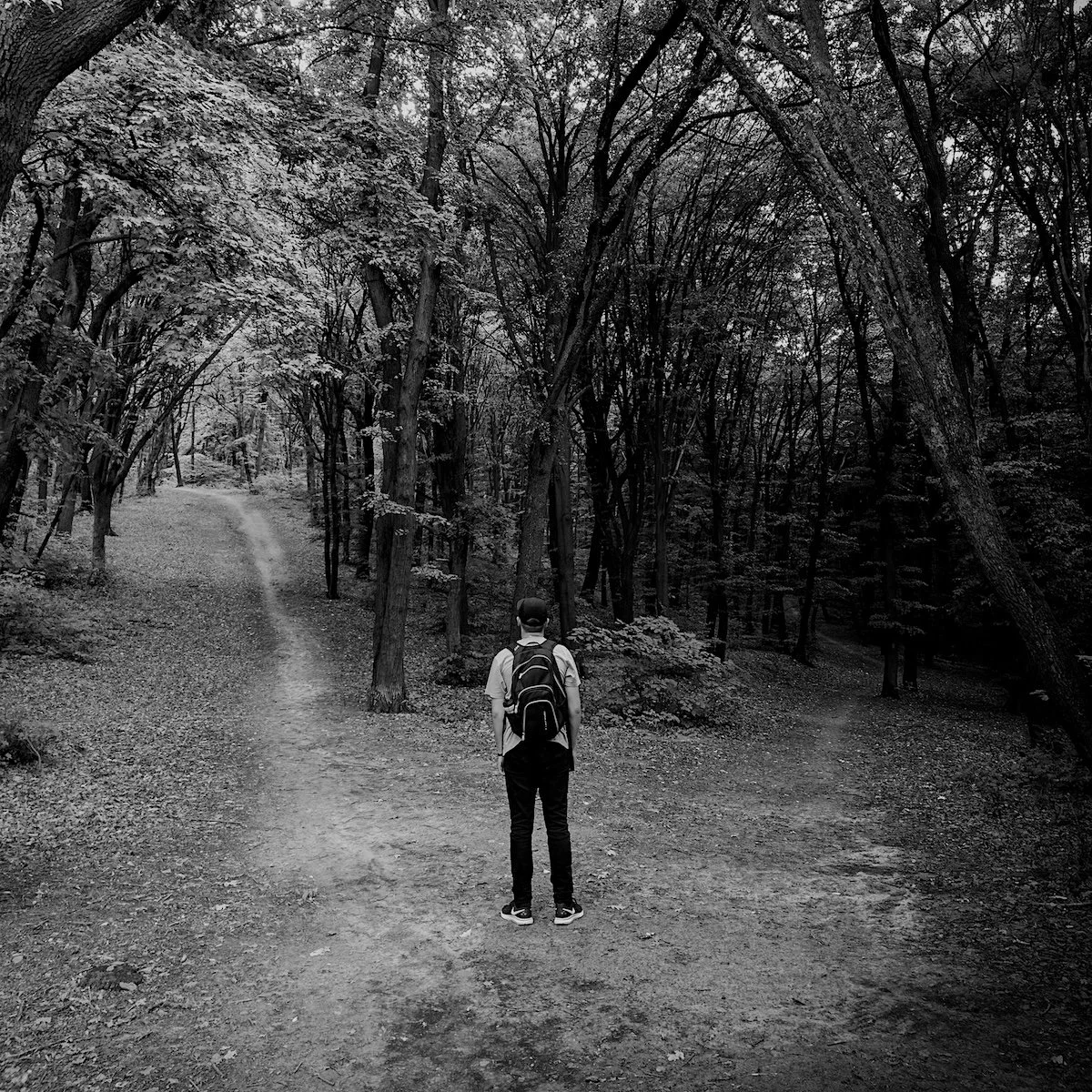
The Man Who Won’t Let Himself Want.
Most men don’t know what they want
And the tragedy isn’t that they can’t find it.
It’s that they won’t let themselves look.
Men hide from their own desire more than they hide from danger.
We’d rather walk into a burning building than admit a truth that could unsettle our identity.
We’re comfortable carrying weight, pressure, responsibility.
We’re comfortable being depended on.
We’re comfortable holding the world together.
But desire?
Our own?
The kind that cuts through the mask?
The kind that would demand a different life, a different pace, a different direction?
Most of us run from that like hell.

The Man Who Forgot His Own Fire.
There’s a sickness that spreads quietly through the lives of capable men
It doesn’t look dramatic.
There’s no collapse.
No obvious wound.
No cinematic breakdown.
It looks like competence.
It looks like a man who’s mastered the checklist.
It looks like stability.
It looks like reliability.
It looks like “he’s doing well”.
But if you watch closely, you’ll see the truth:
The fire’s gone out.
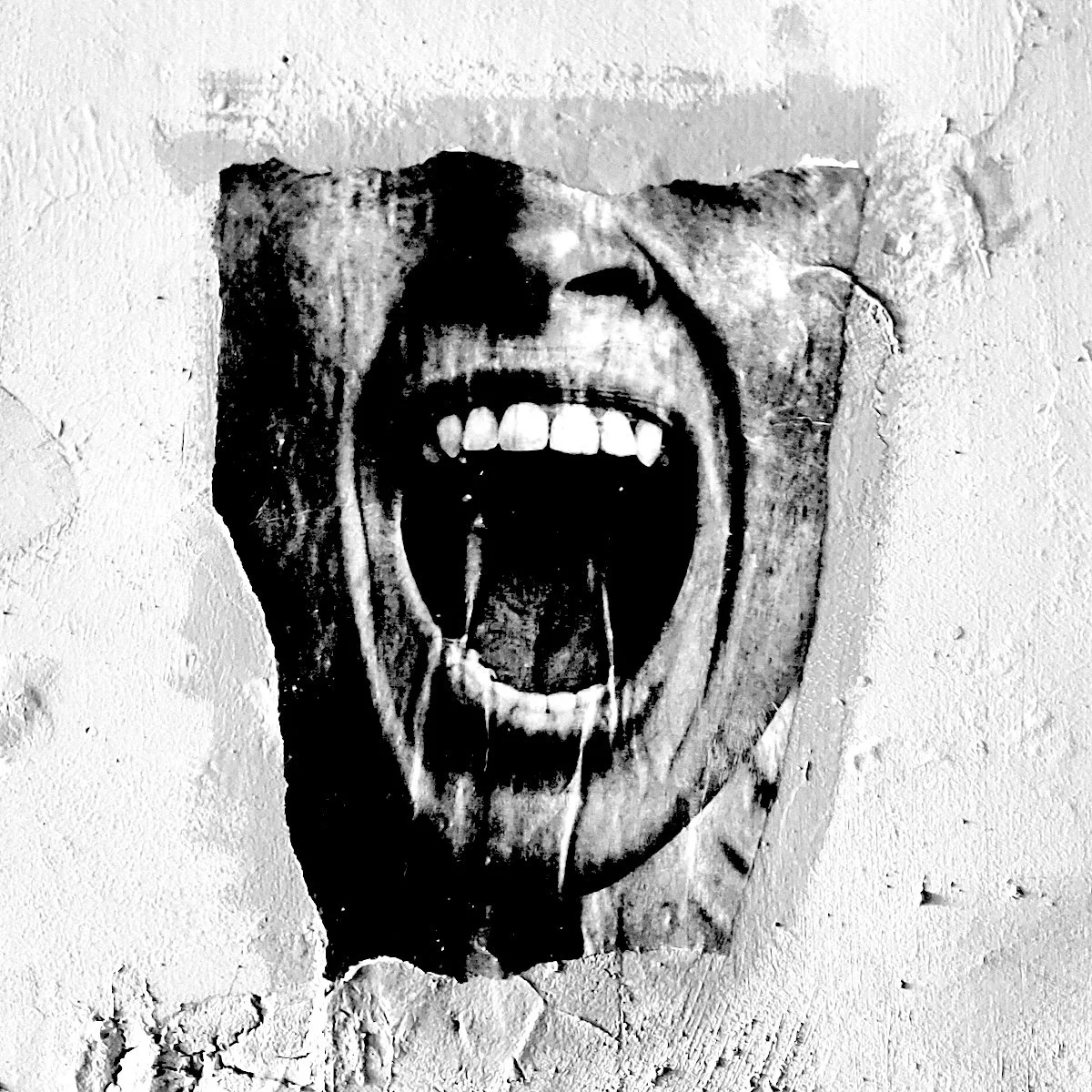
The Man Who Lost His Teeth.
There’s a moment in a man’s life when he realises he’s been domesticated
Not in the obvious ways.
Not because he’s soft or weak or unskilled.
But because something essential went missing - his teeth.
Not literal teeth.
Symbolic ones.
The inner bite.
The ferocity that lets a man hold his line.
The instinct that refuses to be tamed by comfort.
The hunger that keeps a life sharp instead of smooth.
A man can lose his teeth without noticing.
It happens slowly.
The sharpening stone gets dusty.
The edge dulls.
The jaw relaxes.
The feral part of him is coaxed into sleep.
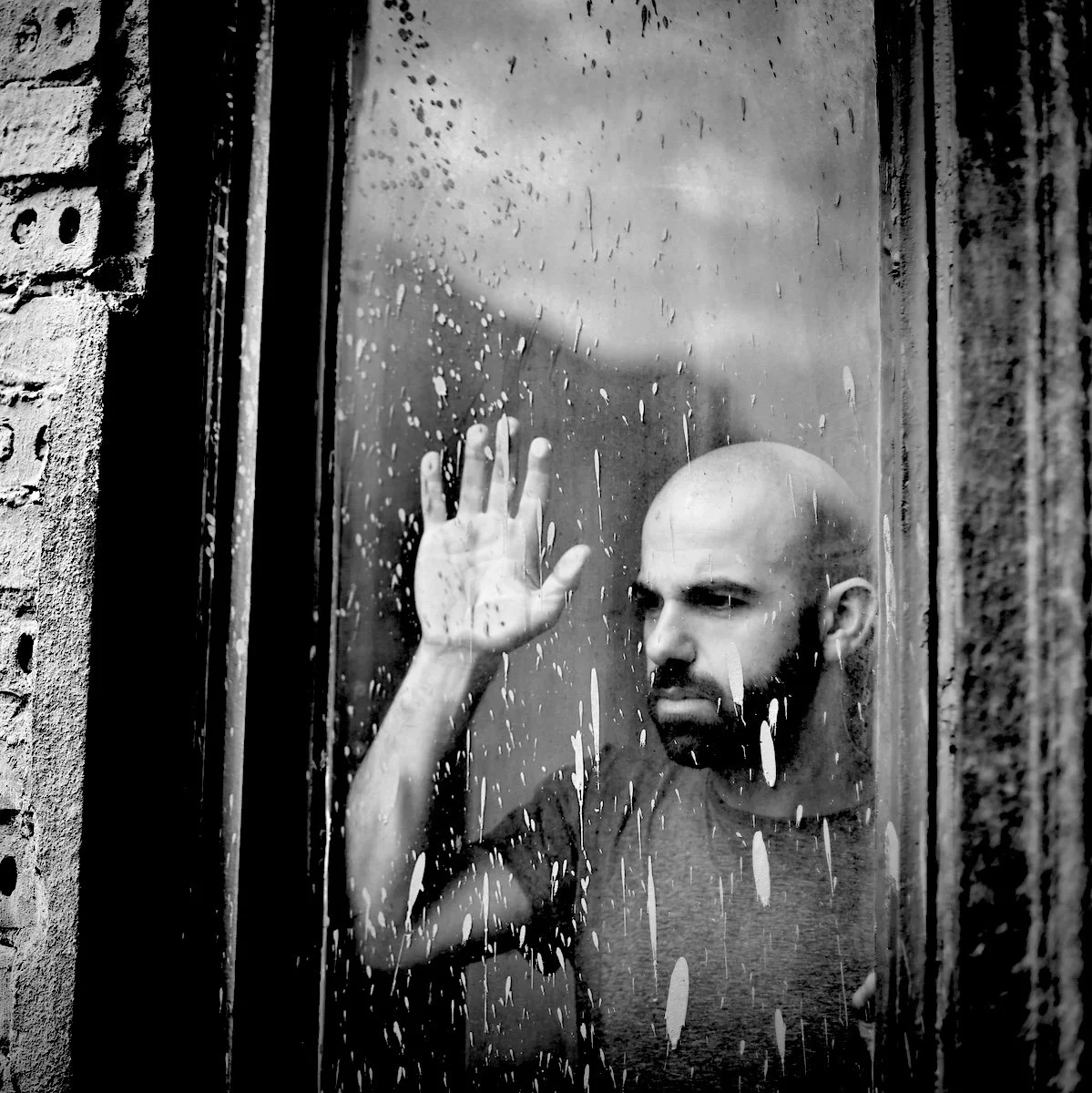
The Man Who Stopped Looking at His Own Life.
Every man reaches a point where he stops really looking at his life
Not because he’s blind.
Because looking directly would demand action he isn’t ready to take.
So he glances instead.
Sideways.
Through habit.
Through routine.
Through excuses.
Through the blur of busyness.
He sees enough to function, but not enough to feel.
He knows enough to talk, but not enough to move.
He senses something is off, but never long enough to face it.
A man can live twenty years like this.
Eyes open.
Vision gone.

The Man Who Mistakes His Reflection for Himself.
Most men think they know who they are
They’ve built a life around that idea.
They’ve defended it.
Marketed it.
Performed it.
Refined it.
Protected it from collapse.
But Lacan would smirk at the whole thing, because he understood one of the most brutal truths about being a man:
your sense of self is usually nothing more than a reflection you’ve mistaken for substance.
You didn’t build your identity.
You assembled it from the fragments of what you thought others wanted you to be.
Your reflection in someone else’s gaze.
Your image in someone else’s expectations.
Your worth measured in someone else’s language.
And you thought that was you.
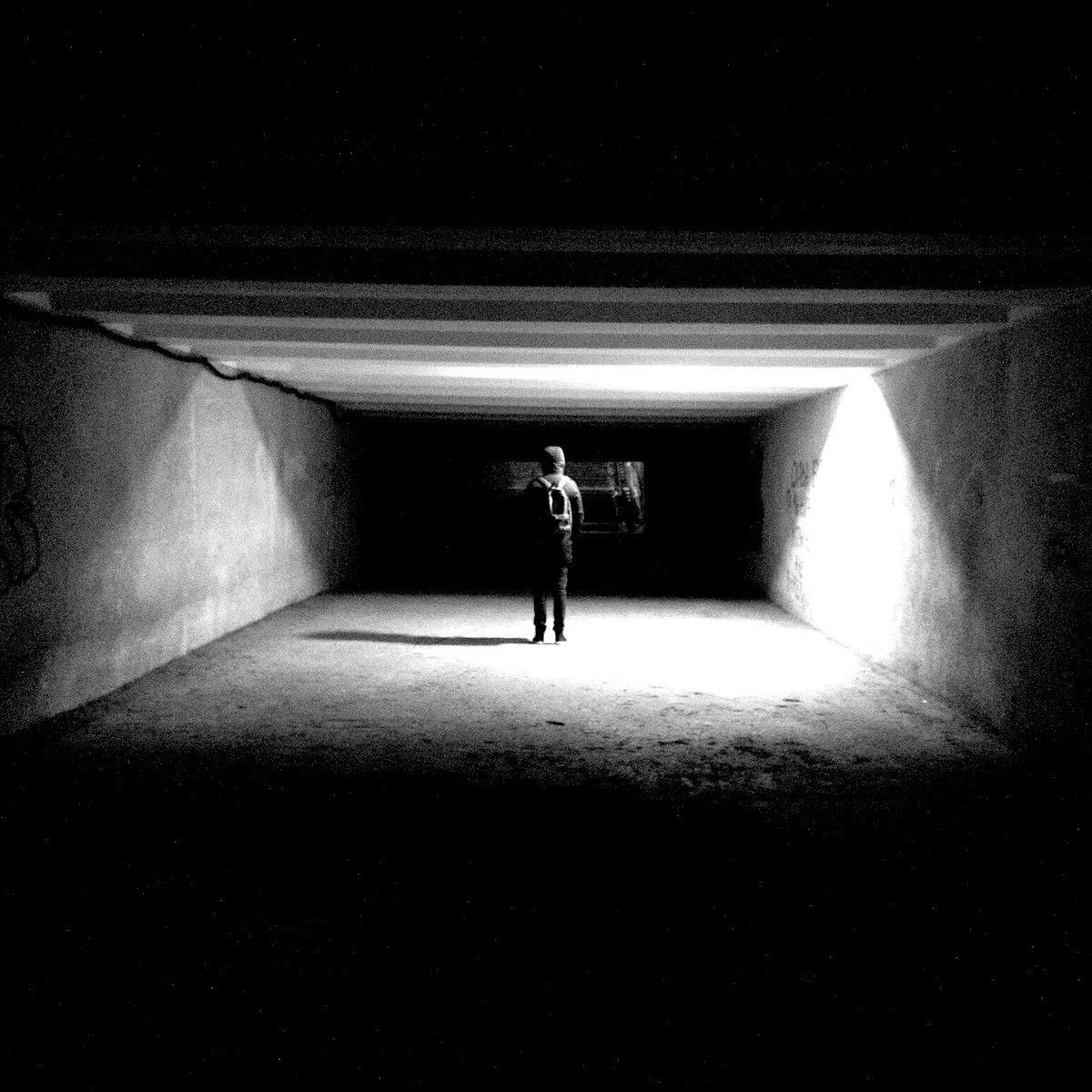
The Man Who Cannot Cross His Own Line.
Most men imagine they’re driven by their own desires.
Lacan would laugh at that.
He’d tell you that what you call desire is usually just the echo of someone else’s expectation. The family. The culture. The tribe. The invisible Other. You pick up signals, absorb them, shape yourself around them, and then call the result “me”.
You think you’re choosing your path.
But most of the time, the path was chosen long before you realised there was a choice.
And here’s the painful truth:
You’ve probably lived most of your adult life avoiding the one desire that actually belongs to you.
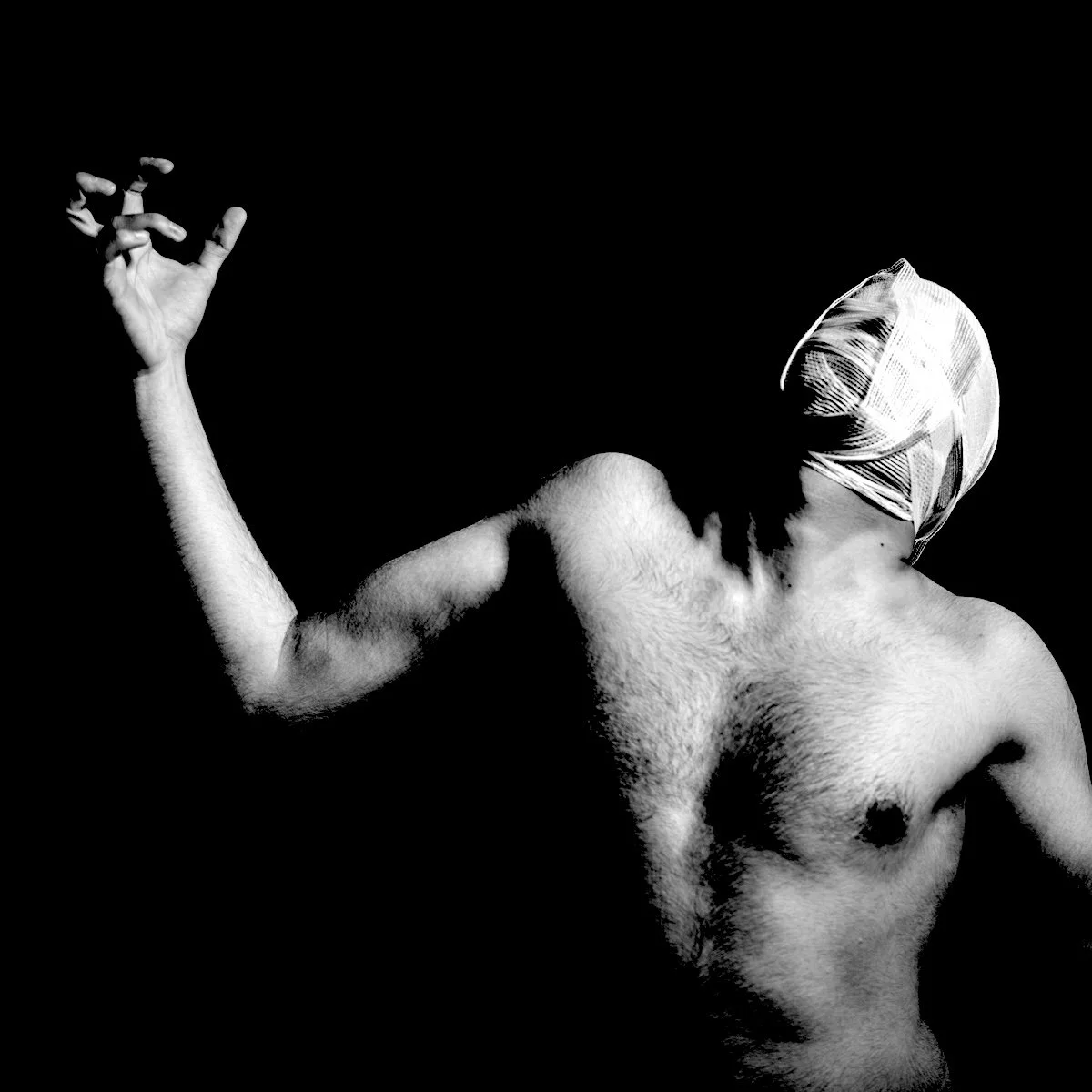
What You Refuse To Face Owns You.
Every man has a truth he refuses to face
A truth he has circled for years.
A truth he’s built entire structures to avoid.
A truth he senses in quiet moments, then pushes back into the shadows just in time to keep his life intact.
This truth isn’t abstract.
It’s personal.
Close to the bone.
Close enough to feel its heat.
Close enough to know that if you ever let it into daylight, you’d have to change.