
DOING THE WORK
MEN’S WORK, SIMPLIFIED AND DEMYSTIFIED


PROGRAMMES - EVENTS - PUBLISHING - TRAINING
‘the facilitator training’ drops feb 2027
“Experience is the only credential that counts.”
the Men’s work Specialists.
– Laurence H. Johns
Doing The Work brings together the work and thinking of Laurence H Johns
Developed through decades of working privately with men, leading groups, building communities and training those who work with them.


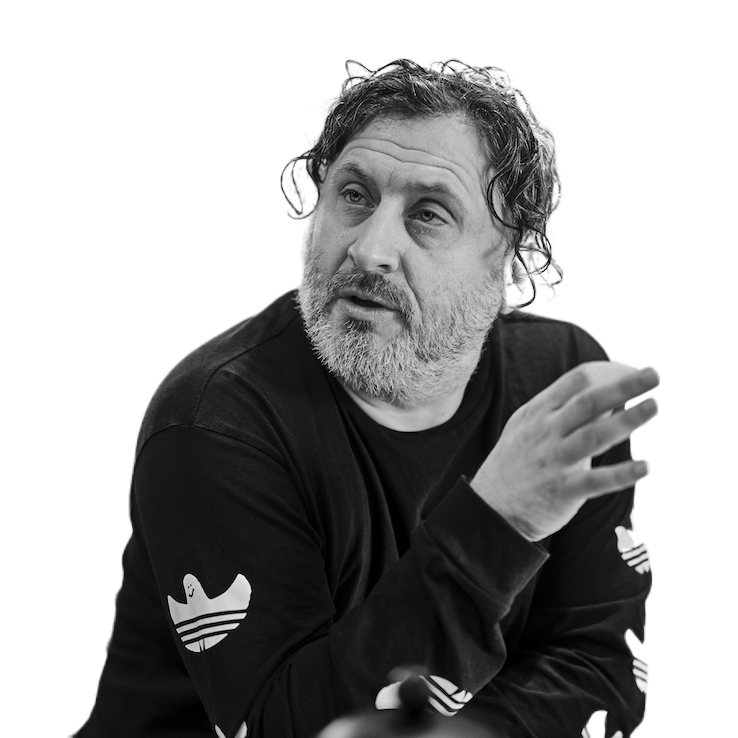
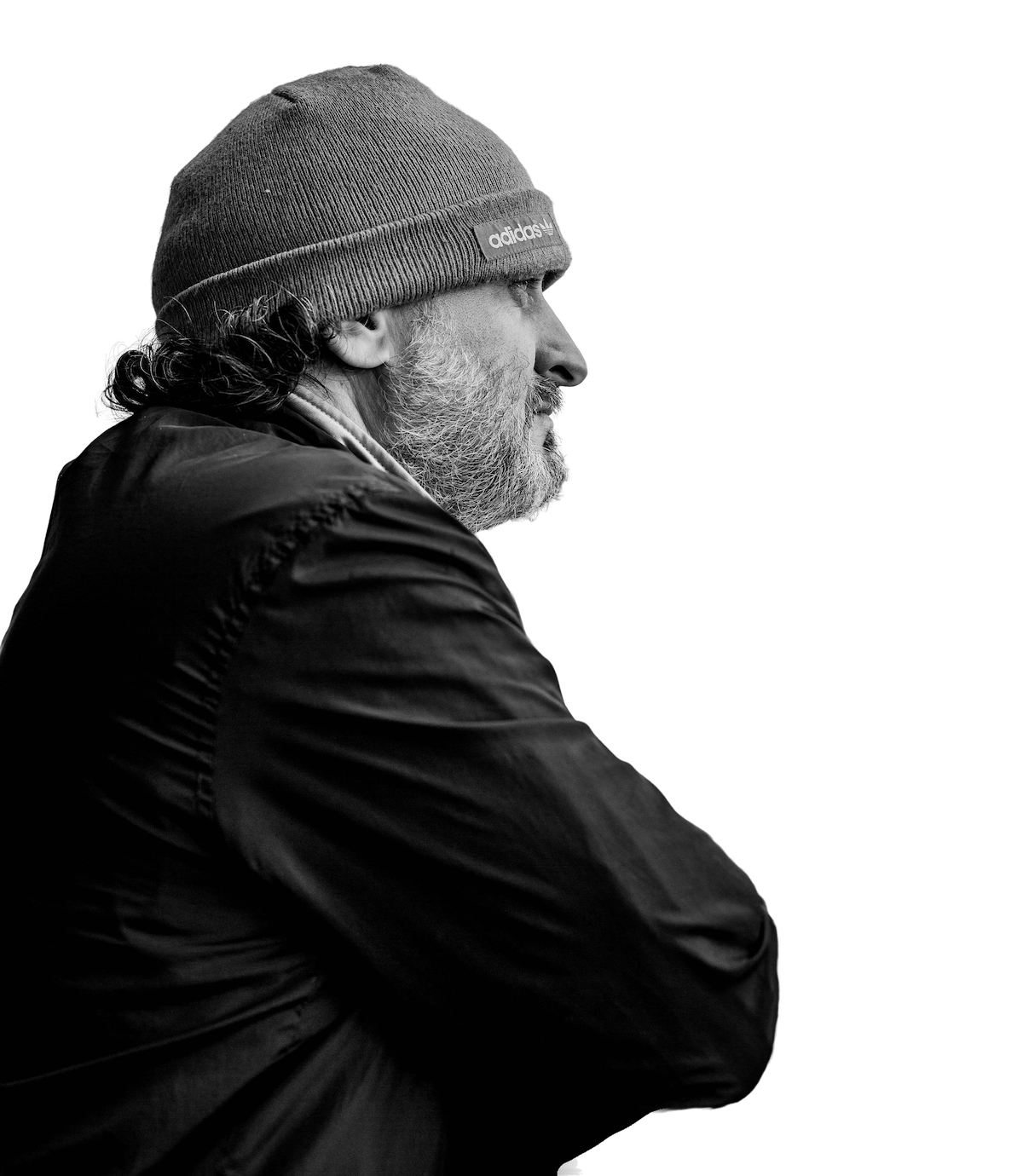
TWENTY-FIVE YEARS. ONE BODY OF WORK.
The Mentors Mentor
Laurence has spent more than twenty-five years working in men’s personal development.
privately, in groups, training leaders and facilitators, and building communities.
His experience ranges from prisons and addiction recovery to founders, senior leaders and some of the world’s most successful finance professionals.
He has served as a Director of The ManKind Project UK & Ireland, leads and trains men internationally, and has been invited to speak within the international Jungian community.
THAT EXPERIENCE SHOULD BE PASSED ON
Doing The Work exists to share what Laurence has learned with the people working with men — helping them become better at what they do, and pass the very best of men’s work on to others.
THE FACILITATOR TRAINING
Launching February 2027.
Sign up below to be the first to hear more.
*required fields

THOUGHT LEADER
Twenty-five years of working with men leaves you with some thoughts.
SOME HAVE CHANGED OVER TIME. SOME HAVE BECOME MORE CERTAIN. OTHERS REMAIN QUESTIONS.
This is where Laurence writes, speaks and makes films about men, masculinity, personal development and what he continues to learn from doing the work.
Difficulty reveals what comfort conceals
Under pressure:
• excuses disappear
• performance drops away
• reality emerges
You meet your actual character quickly.
That encounter can be confronting.
But it’s also deeply stabilising.
A man who knows he can endure difficult things walks differently through life.
Not arrogantly.
Calmly.
Most men are exhausted because they’ve confused being valuable with being useful
That confusion ruins lives.
Useful men get rewarded early.
Teachers like them.
Bosses trust them.
Partners rely on them.
Families lean on them.
So the boy learns something dangerous:
My worth lives in what I produce for other people.
And from that moment on, rest starts feeling suspicious.
The fantasy of “keeping everything”
Men often secretly believe transformation can happen without sacrifice.
That they can become fully alive while keeping every comfort, every role, every approval structure intact.
Impossible.
Every meaningful evolution requires loss.
Nietzsche understood this deeply.
The snake that cannot shed its skin dies.
Simple.
But men delay shedding because the old skin still feels like self.
Even when it’s suffocating them.
Comfort weakens imagination
This is subtle but important.
Men living over-comfortable lives often stop imagining boldly.
Their world shrinks to manageable dimensions.
No risk.
No awe.
No meaningful uncertainty.
Just maintenance.
And maintenance slowly kills vitality.
The edge restores aliveness because it reintroduces possibility.
A lot of modern male ambition is actually avoidance in expensive clothing.
That’s the uncomfortable truth.
Not all hard work is noble.
Not all discipline is healthy.
Not all ambition is clean.
Sometimes a man is building an empire because he’s deeply driven.
Sometimes he’s building it because silence terrifies him.
Those are very different psychological realities.
Real challenge simplifies men
This is why physically or psychologically demanding experiences often feel cleansing.
The mountain does not care about your image.
Cold water does not care about your LinkedIn profile.
A difficult truth does not care about your branding.
Challenge cuts through performance.
And men are starving for experiences that make performance impossible.

Men can survive on duty for frighteningly long periods of time
Especially competent men.
Especially fathers.
Providers.
High-functioning men.
Men are incredibly capable of suppressing themselves in order to keep things moving.
That’s part of masculine strength.
But strength becomes pathology when it never turns off.
A man can spend years overriding exhaustion, sadness, loneliness, boredom, resentment.
And because the world rewards his functionality, nobody notices he’s slowly disappearing inside himself.
Not even him.
Men confuse familiar with safe
Van der Kolk understood this deeply.
Human beings recreate familiar emotional environments even when they hurt.
Not because they enjoy suffering.
Because the nervous system prefers predictability over freedom.
So men recreate:
Relationships that mirror old wounds
Workplaces that reinforce old identities
Friendships built around emotional avoidance
Cycles of overwork and self-neglect
Lives that feel emotionally familiar instead of spiritually aligned
And they call this adulthood.
It isn’t adulthood.
It’s repetition.
Men become dangerous when they escape consequence
This matters more than people realise.
A man without consequences becomes distorted.
He loses contact with reality.
He starts believing words matter more than actions.
He becomes performative.
Inflated.
Weak in ways that hide behind confidence.
Consequences sharpen men.
Not suffering for the sake of suffering.
Reality.
Limits.
Feedback.
The undeniable collision between behaviour and outcome.
Without consequence, there is no maturity.
Just extended adolescence with better language.
Time is not neutral
This is the piece men avoid.
You are not standing still while you delay your life.
You are becoming someone through the delay.
Every year spent avoiding honesty shapes character.
Every postponed decision trains passivity.
Every compromised truth weakens self-trust.
Every year lived half-awake makes waking up harder.
You do not freeze in place while waiting.
You drift.
Modern masculinity is deeply performative
Even vulnerability became performance now.
Everything gets turned outward.
The workout.
The grief.
The relationship.
The meditation practice.
The morning routine.
The discipline.
The “authenticity.”
A man can spend years constructing an image of depth while becoming increasingly disconnected from actual depth.
Because actual depth is quiet.
It does not always photograph well.
A strange thing has happened to modern men.
We have confused exhaustion with growth.
A man works eighty hours a week, destroys his nervous system, lives under fluorescent lights, survives on caffeine and stress, answers emails at midnight, feels permanently behind, and somehow concludes:
“This must mean I’m becoming stronger.”
Maybe not.
Maybe you’re just becoming tired.
That distinction matters more than most men realise.
Because grind culture has taken one of the deepest masculine instincts - the need for challenge - and redirected it into endless economic usefulness.
The result is men who are highly productive but psychologically underdeveloped.
Busy.
Capable.
Efficient.
But internally untouched.
Modern men are tired in a strangely hollow way
Not the satisfying exhaustion that follows effort connected to meaning.
Not the deep physical tiredness after building something real, surviving something difficult, protecting someone you love, pushing yourself honestly against your limits.
Something thinner than that.
More artificial.
Psychic fatigue without transformation.
A man spends the entire week overwhelmed -
hen reaches Friday night feeling strangely untouched by his own life.
That should concern us more than it does.
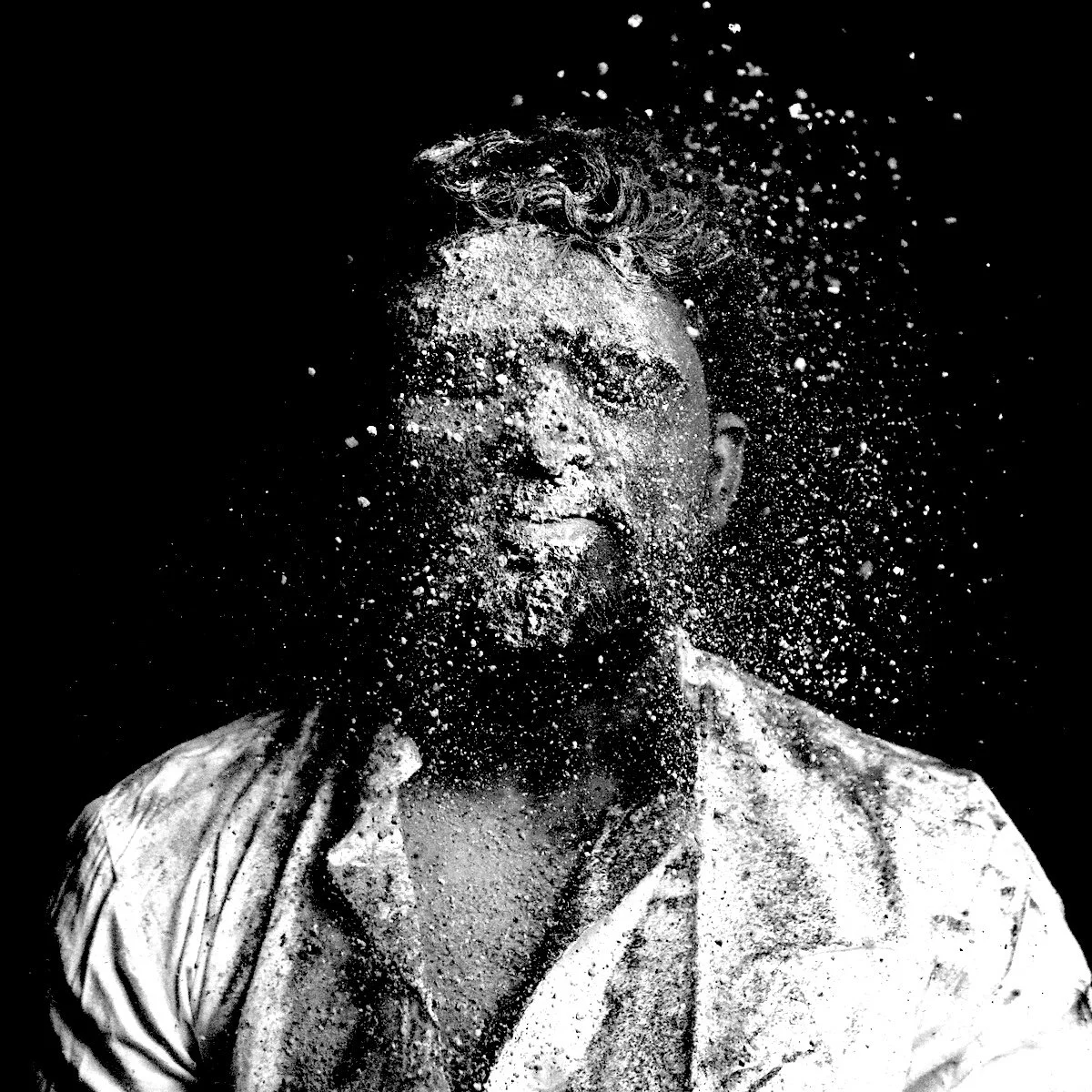
“The Hunger That Cannot Be Fed”
This is the line that drove generations of psychoanalysts mad.
To most people it sounds absurd.
To men, if they’re honest, it sounds uncomfortably familiar.
Lacan wasn’t saying men and women can’t connect.
He was saying there’s an impossibility baked into human desire.
Two people can touch, love, share a life, build a home, raise children, sleep in the same bed for decades, and still experience a gap that can’t be closed.
A gap no achievement can fill.
A gap no woman can bridge.
A gap no purpose can patch.
A gap no ritual can seal.
A gap at the centre of a man’s life that refuses to go away.
Most men spend their entire adult lives trying to deny that gap.
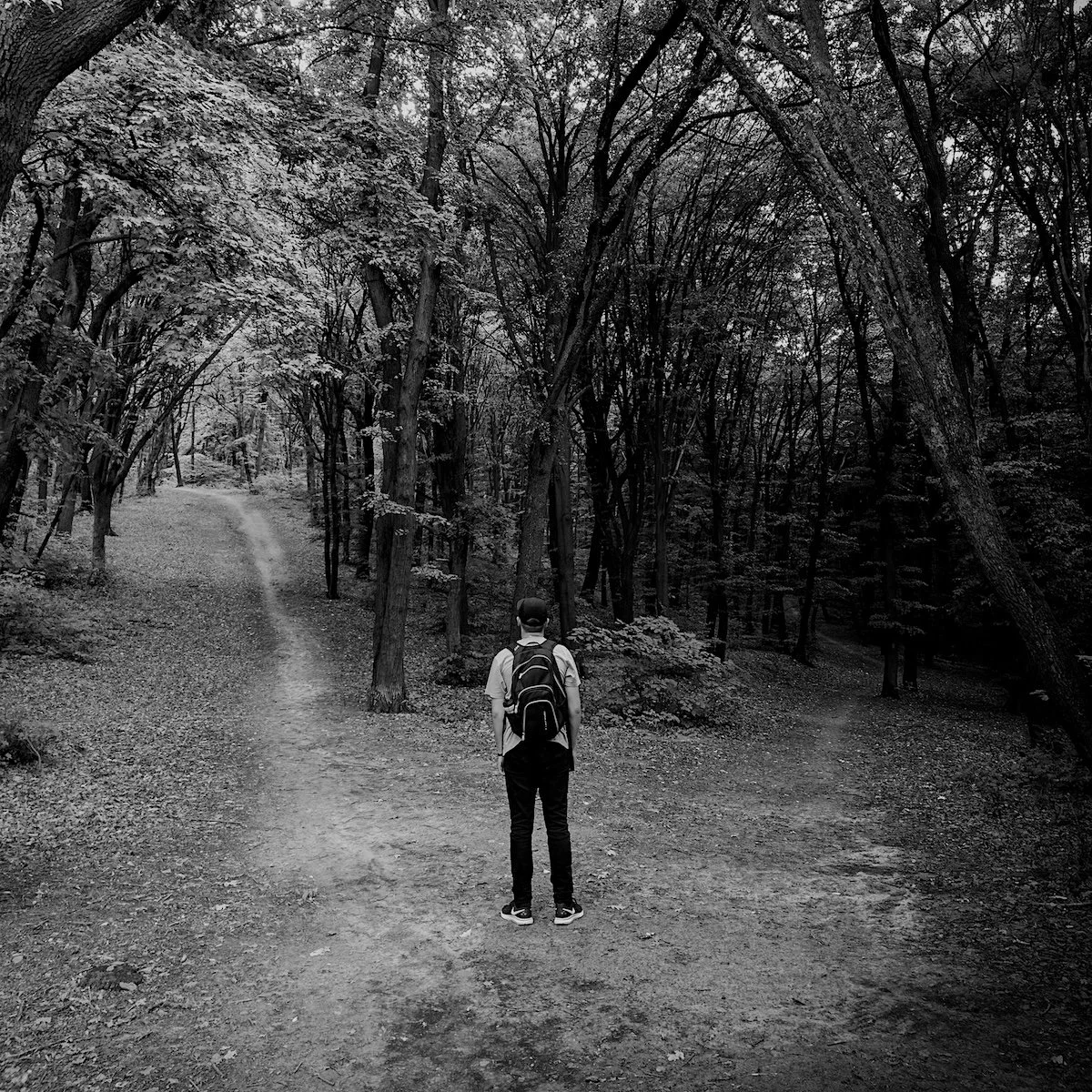
Most men don’t know what they want
And the tragedy isn’t that they can’t find it.
It’s that they won’t let themselves look.
Men hide from their own desire more than they hide from danger.
We’d rather walk into a burning building than admit a truth that could unsettle our identity.
We’re comfortable carrying weight, pressure, responsibility.
We’re comfortable being depended on.
We’re comfortable holding the world together.
But desire?
Our own?
The kind that cuts through the mask?
The kind that would demand a different life, a different pace, a different direction?
Most of us run from that like hell.

There’s a sickness that spreads quietly through the lives of capable men
It doesn’t look dramatic.
There’s no collapse.
No obvious wound.
No cinematic breakdown.
It looks like competence.
It looks like a man who’s mastered the checklist.
It looks like stability.
It looks like reliability.
It looks like “he’s doing well”.
But if you watch closely, you’ll see the truth:
The fire’s gone out.
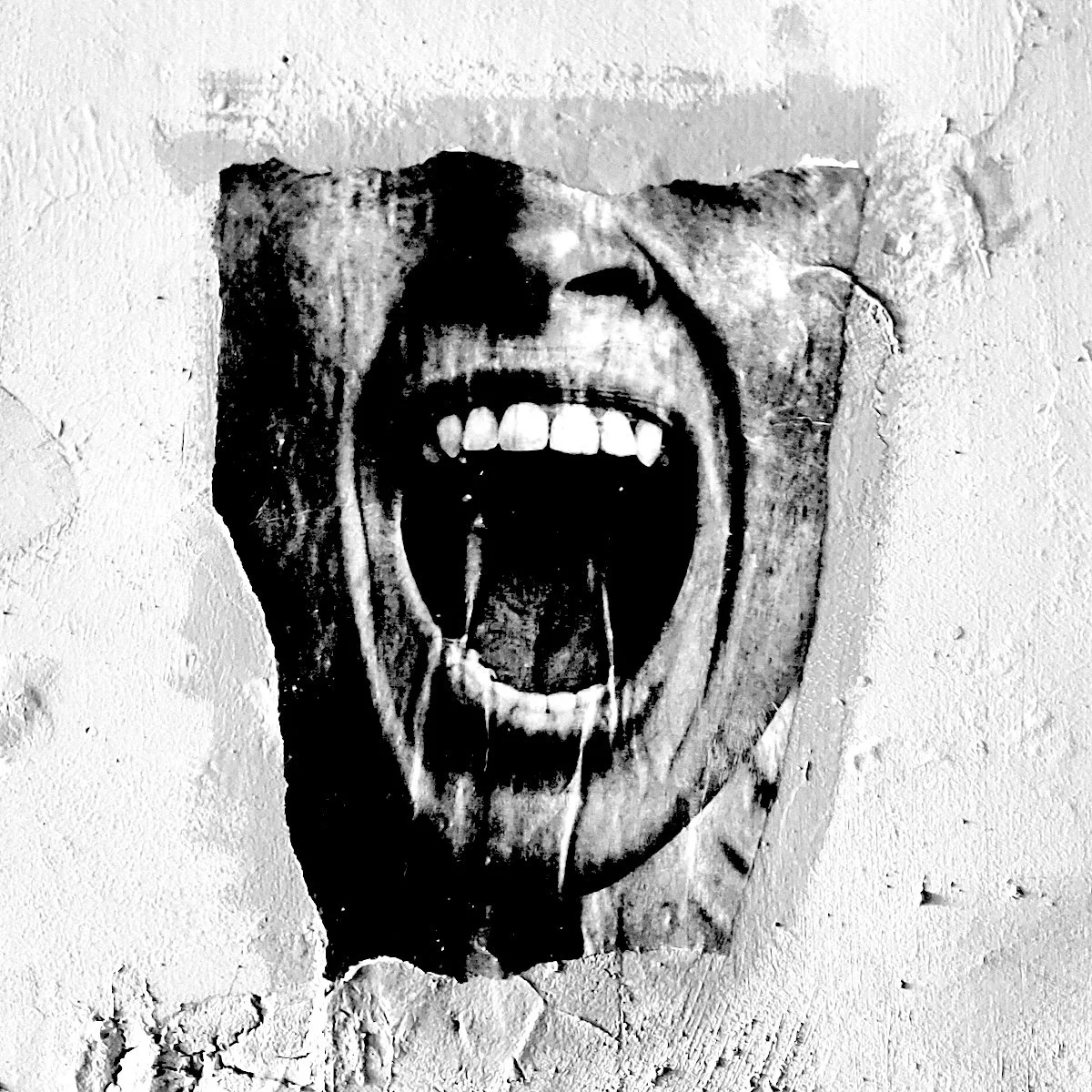
There’s a moment in a man’s life when he realises he’s been domesticated
Not in the obvious ways.
Not because he’s soft or weak or unskilled.
But because something essential went missing - his teeth.
Not literal teeth.
Symbolic ones.
The inner bite.
The ferocity that lets a man hold his line.
The instinct that refuses to be tamed by comfort.
The hunger that keeps a life sharp instead of smooth.
A man can lose his teeth without noticing.
It happens slowly.
The sharpening stone gets dusty.
The edge dulls.
The jaw relaxes.
The feral part of him is coaxed into sleep.
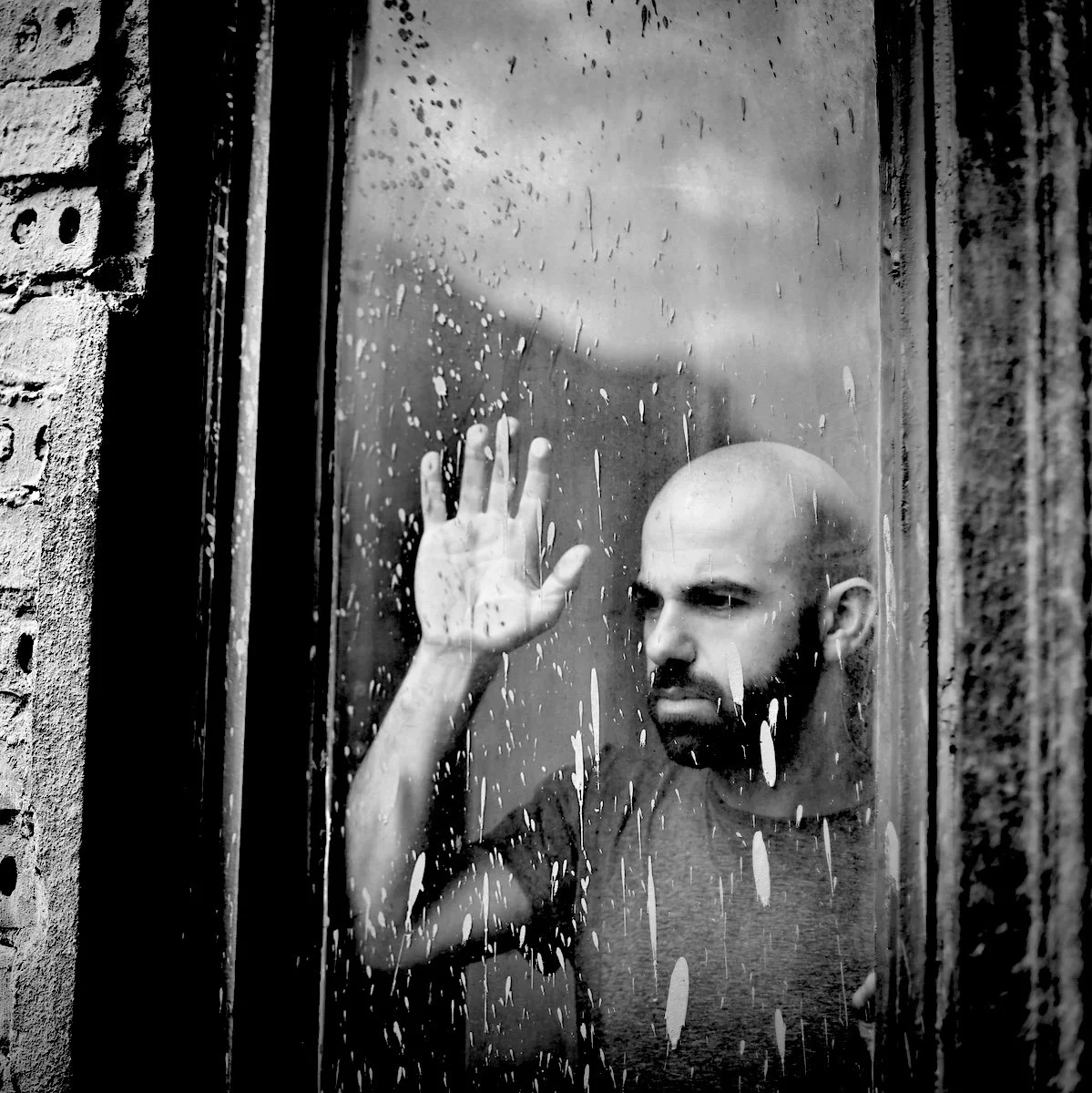
Every man reaches a point where he stops really looking at his life
Not because he’s blind.
Because looking directly would demand action he isn’t ready to take.
So he glances instead.
Sideways.
Through habit.
Through routine.
Through excuses.
Through the blur of busyness.
He sees enough to function, but not enough to feel.
He knows enough to talk, but not enough to move.
He senses something is off, but never long enough to face it.
A man can live twenty years like this.
Eyes open.
Vision gone.

Most men think they know who they are
They’ve built a life around that idea.
They’ve defended it.
Marketed it.
Performed it.
Refined it.
Protected it from collapse.
But Lacan would smirk at the whole thing, because he understood one of the most brutal truths about being a man:
your sense of self is usually nothing more than a reflection you’ve mistaken for substance.
You didn’t build your identity.
You assembled it from the fragments of what you thought others wanted you to be.
Your reflection in someone else’s gaze.
Your image in someone else’s expectations.
Your worth measured in someone else’s language.
And you thought that was you.
Most men imagine they’re driven by their own desires.
Lacan would laugh at that.
He’d tell you that what you call desire is usually just the echo of someone else’s expectation. The family. The culture. The tribe. The invisible Other. You pick up signals, absorb them, shape yourself around them, and then call the result “me”.
You think you’re choosing your path.
But most of the time, the path was chosen long before you realised there was a choice.
And here’s the painful truth:
You’ve probably lived most of your adult life avoiding the one desire that actually belongs to you.

Every man has a truth he refuses to face
A truth he has circled for years.
A truth he’s built entire structures to avoid.
A truth he senses in quiet moments, then pushes back into the shadows just in time to keep his life intact.
This truth isn’t abstract.
It’s personal.
Close to the bone.
Close enough to feel its heat.
Close enough to know that if you ever let it into daylight, you’d have to change.

There’s something sacred in a man’s word
Not the polite promises.
Not the corporate commitments.
Not the performance of reliability.
I’m talking about the inner word.
The agreements you make with yourself when the world isn’t watching.
The vows you speak in silence.
The lines you say you’ll never cross.
The standards that once made you feel like a man instead of a passenger.
Most men break these inner vows long before they break any outer ones.
And that’s where things start to rot.
Most men think they’re in charge of their desire
They think they choose what they want.
They think their passions, drives, ambitions, hungers, impulses, pretty much everything that moves them, came from inside.
They imagine desire is self-directed, a kind of inner compass pointing toward the life they’re meant to live.
Lacan would shake his head.
He’d tell you a truth most men never want to hear:
you don’t control your desire.
You obey it.
There’s a specific kind of quiet misery that lives inside capable men
Not the collapsing kind.
Not the dramatic breakdown.
Not the cinematic fall-from-grace.
It’s the misery of living at half-volume.
You speak with half your voice.
You show half your truth.
You honour half your instincts.
You walk half your path.
You feel half your life.
Nothing is fully dead.
But nothing is fully alive.
You function.
You contribute.
You impress.
You navigate.
You maintain.
But you don’t burn.

Every man is haunted by two ghosts
The man he might have been.
And the father he actually had.
You don’t need to have children to feel this.
You were a child once.
You remember.
You felt the tension in the air long before you had words for it.
The silence at the dinner table.
The sudden eruptions.
The coldness.
The unpredictability.
The way your dad looked just past you instead of at you.
You felt it in your mother, too - the grief in her smile, the swallowed words.
You didn’t know it then, but you do now.
You were carrying their unlived lives.
Most men think their pain is a problem
An error.
A failure.
A glitch in the system that needs fixing.
So we do what we were taught:
Numb it.
Avoid it.
Outsource it.
Perform around it.
We treat pain like it’s a weakness - instead of what it actually is:
A messenger from the part of you still waiting to be met.
The truth is brutal and beautiful:
Your pain doesn’t hate you.
It’s trying to bring you home.
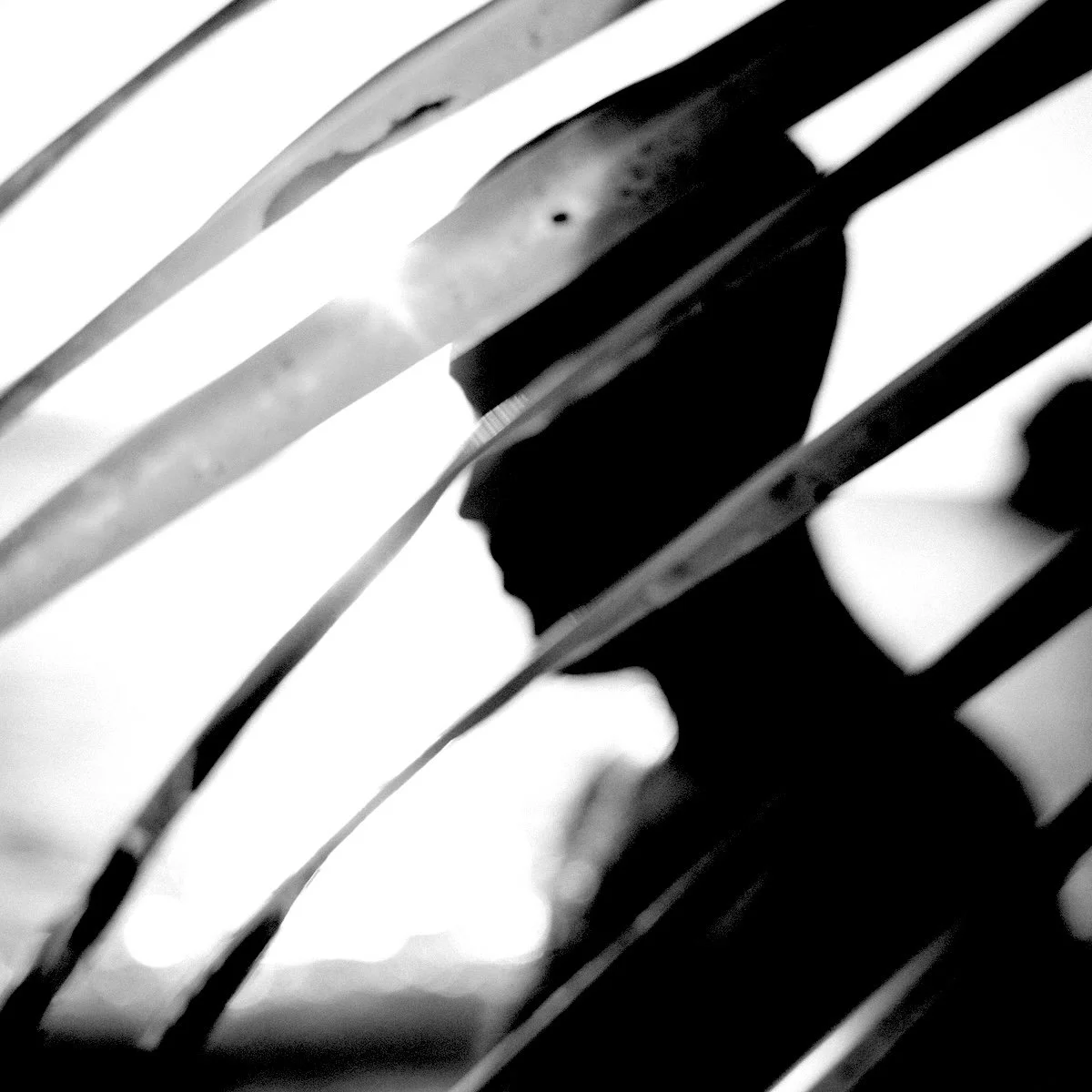
There’s a moment in every man’s life when he realises he’s been circling the edges of himself. Not living. Just orbiting.
Productive.
Disciplined.
Competent.
Respected.
Reliable.
But never fully in his life.
Never fully claimed.
Never fully stepped into.
Most men don’t admit this, even quietly to themselves, because they’ve built successful lives on the outside. They work hard. They provide. They deliver. They’re admired in their circles. People trust them. And that’s good. But it’s also camouflage.
Because beneath the competence sits a truth few men will face:
you can be effective without ever being present.
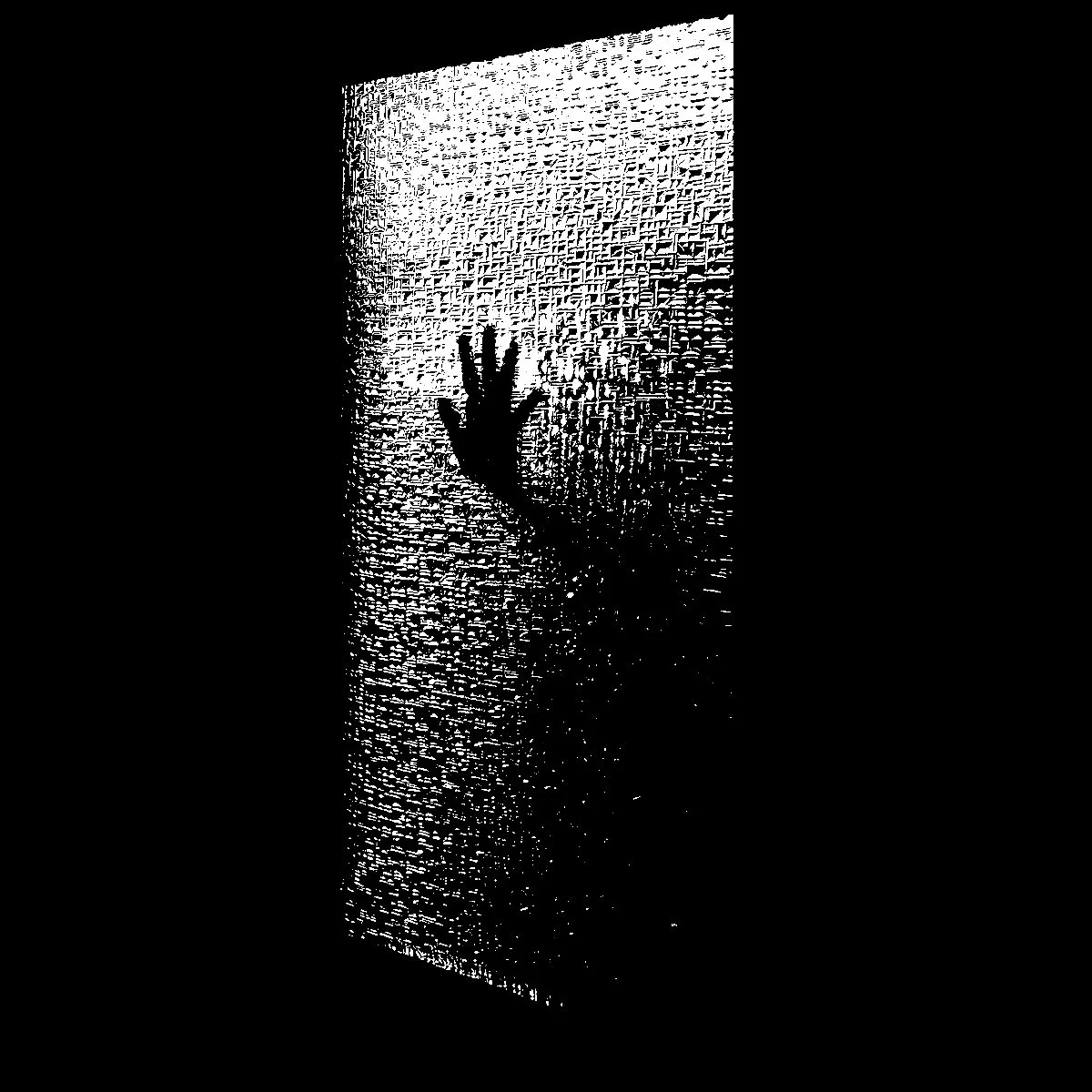
There’s a room inside every man he refuses to enter.
A room with no windows.
A room he’s circled for years.
A room he avoids with work, routine, performance, strength, competence, humour, sex, discipline, self-improvement, distraction.
He’ll wander the whole house of his psyche.
He’ll renovate every visible room.
He’ll polish the floors, rearrange the furniture, fix the walls, upgrade the lighting.
But that one door -
he will not open.
Not because he’s weak.
Because he knows what lives behind it.
The truth.
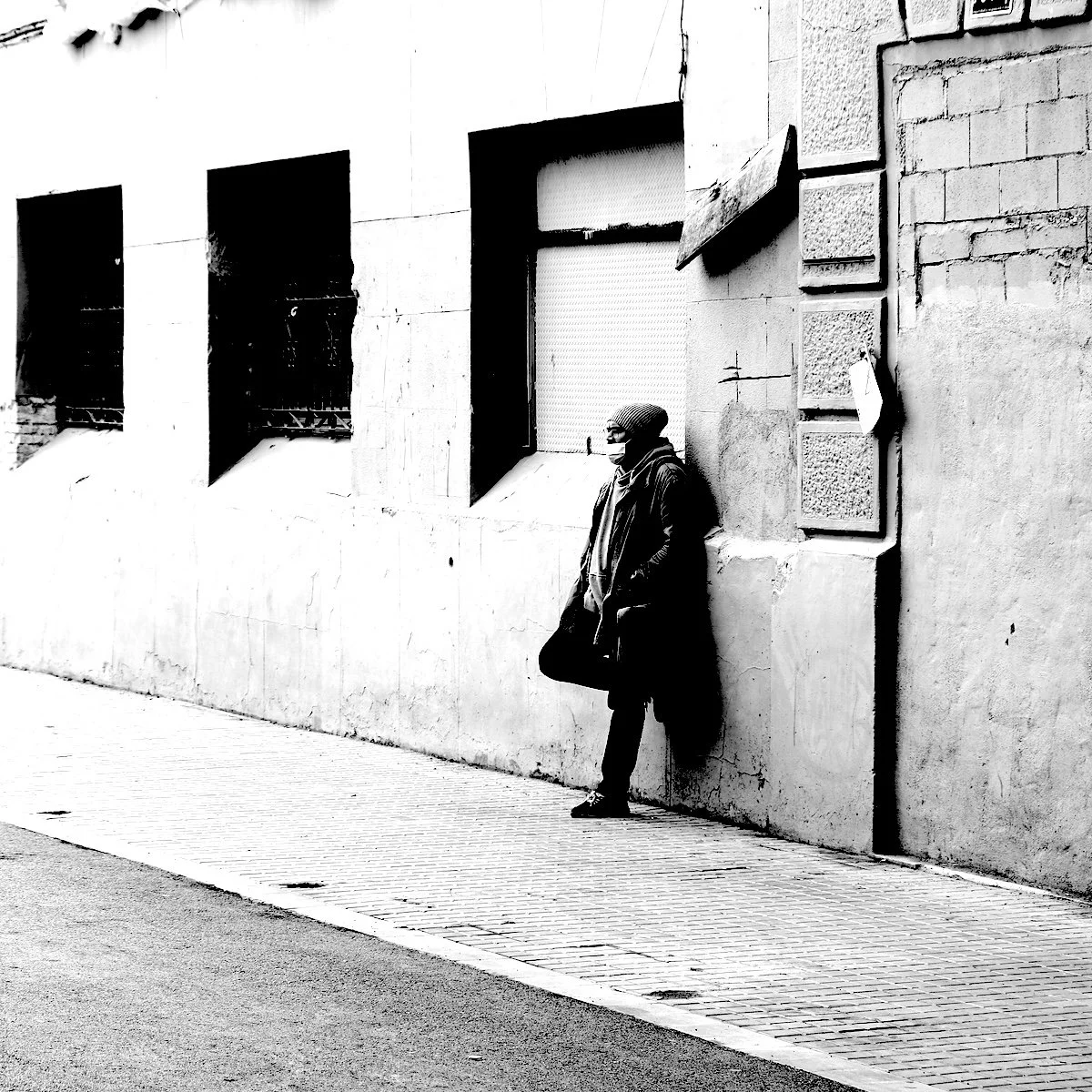
You’re in the room. You’re in the role. But you’re not in your life.
You tick boxes. You play parts. You deliver.
But there’s a dull ache behind your ribcage where something should be burning.
You laugh when you're supposed to. You show up for your kids. You do the things.
And still - there's a fog between you and your own experience.
That’s the feeling of living disconnected from soul.
Not in a poetic way. In a painfully practical way.
You don’t cry when you should. You don’t speak when you need to.
You live in your head. You numb with screens. You fantasise about disappearing.
You’re not depressed. You’re dislocated.
From purpose. From vitality. From your own goddamn self.
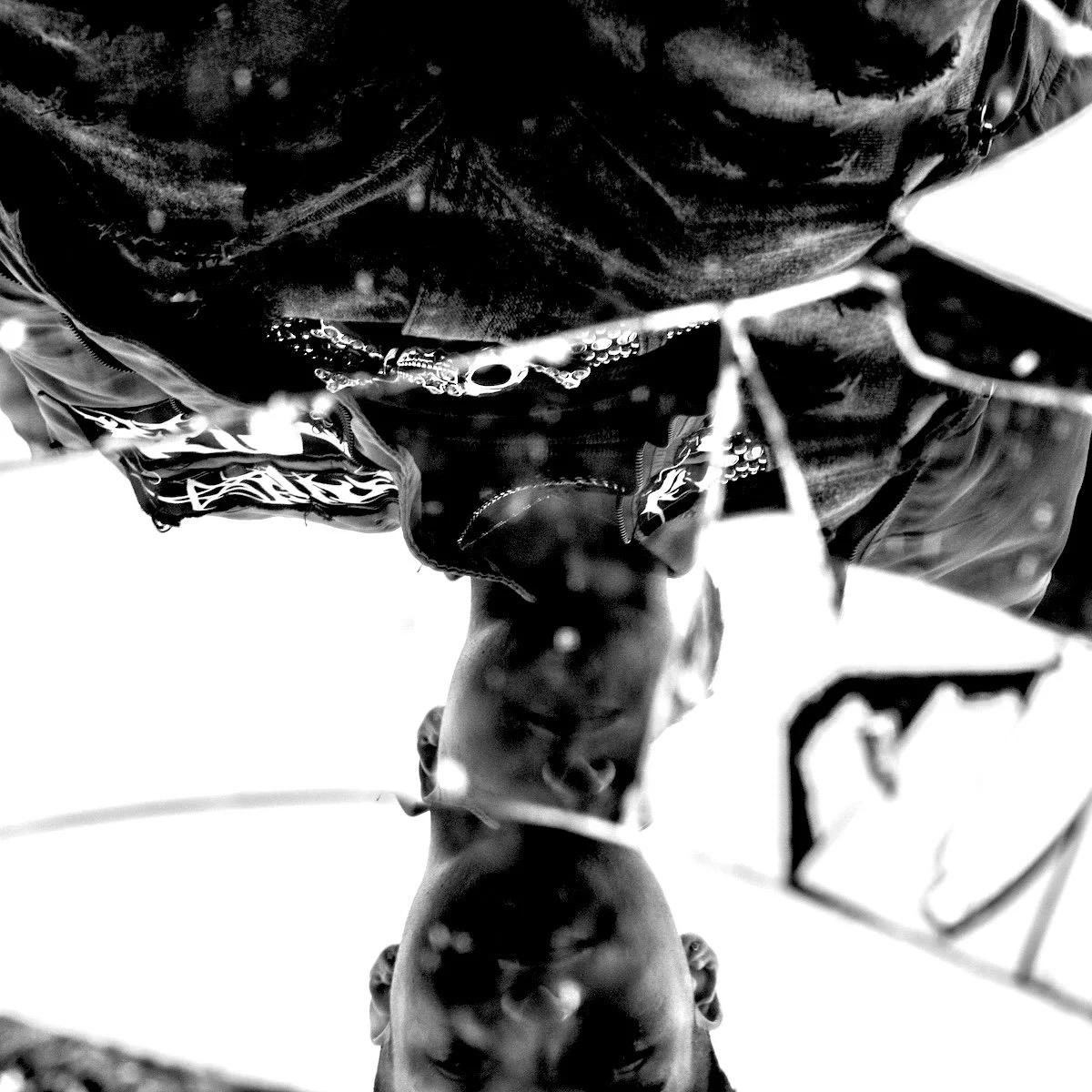
There comes a moment in every man’s life where he has to choose between being liked… and being true.
It sounds simple. It’s not.
Because we’ve been raised - overtly or silently - to keep the peace.
Don’t offend.
Don’t speak too plainly.
Don’t take up too much space.
And beneath all of it, this twisted belief:
If I’m a good man, people will like me. And if they like me, I’ll be safe.
But what begins as survival becomes a strategy.
A boyhood strategy.
A way of moving through the world that keeps you small, agreeable, reliable - and completely unclaimed.
Eventually, you become a man who gets along with everyone… except himself.

DOING THE WORK– An Lhj NEWSLETTER
direct to your inboxweekly
No excuses. No shortcuts. No fluff. Just ‘The Work’
“Because the hardest work a man will ever do - is on himself.”
Sign up to receive Your Knowledge drop Plus news and updates.
We respect your privacy. Your information will never be sold or passed on – fact.